 11
11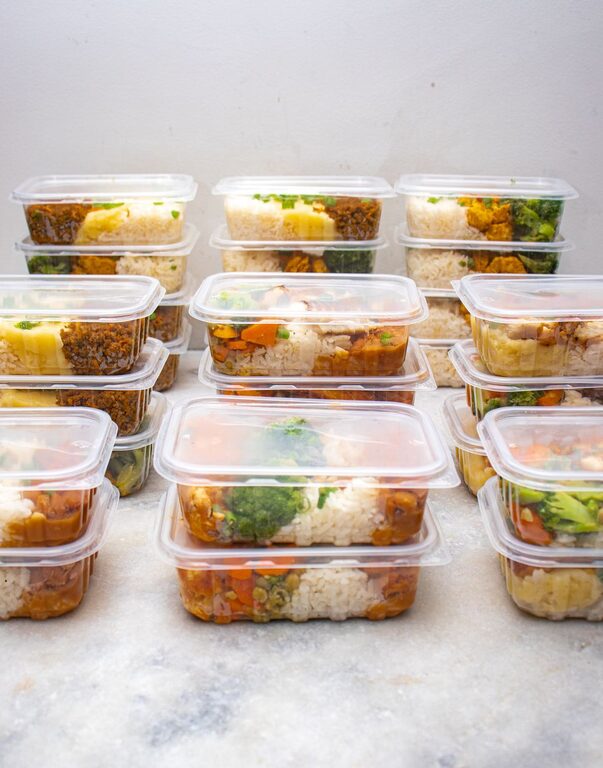
Food waste often happens in small ways: buying more than you need, forgetting ingredients in the refrigerator, or preparing too much food for one meal. These habits can add up over time, but a few simple changes can help you save money, use food more efficiently, and make everyday cooking easier.
Reducing food waste does not require a perfect system. Start with one or two habits that fit your routine, then build from there.
Meal planning is one of the most effective ways to avoid buying food you will not use. A plan does not need to cover every meal for the week. Even choosing a few dinners and flexible ingredients can make a difference.
Before creating a shopping list:
– Check your refrigerator, freezer, and pantry.
– Write down foods that need to be used soon.
– Review your schedule for the week.
– Plan meals around ingredients you already have.
– Add only the items you are likely to use.
A quick inventory can prevent duplicate purchases. For example, you may discover that you already have rice, pasta, canned beans, or frozen vegetables available for a meal.
It can also help to plan meals that share ingredients. A bunch of fresh herbs might be used in a pasta dish, a salad, and a soup. Roasted vegetables can become a side dish one night and a filling for wraps the next day.
A shopping list helps you stay focused, but it works best when it reflects your actual needs. Consider how many people you are feeding and how often you expect to cook.
Avoid buying large quantities simply because they appear to be a better value. A discount is not useful if the food spoils before you can eat it. If you do buy in bulk, choose foods with a long shelf life or freeze the extra portions.
You can also reduce impulse purchases by:
– Eating a snack before shopping.
– Shopping from a list rather than browsing every aisle.
– Buying fresh foods in smaller amounts.
– Choosing frozen or canned options when appropriate.
– Checking expiration dates before buying several items.
Flexible shopping is useful, too. If one vegetable looks especially fresh or is available at a good price, consider replacing a planned ingredient with it.
Proper storage can extend the life of many foods. When you bring groceries home, take a moment to place each item where it will stay fresh longest.
Keep foods that spoil quickly in an easy-to-see location. This makes them more likely to be used. Store newer items behind older ones, and move older foods to the front. This simple approach is often called “first in, first out.”
Other helpful storage habits include:
– Keep leafy greens dry and store them with a paper towel if needed.
– Place berries in the refrigerator and wash them shortly before eating.
– Store potatoes, onions, and garlic in a cool, dry, well-ventilated area.
– Use airtight containers for opened dry goods.
– Label leftovers with the date they were prepared.
– Freeze bread, cooked grains, meat, and other foods you cannot use soon.
Learn the difference between quality dates and safety instructions on food packaging. Some dates indicate when a product may taste best, while others provide more specific storage guidance. When in doubt, follow the package instructions and use your own judgment based on the food’s appearance, smell, and texture.
An organized kitchen makes forgotten food easier to spot. Group similar items together and avoid overcrowding shelves. If you cannot see what you have, you may buy more or let food sit unused.
Try creating a designated “use first” area in your refrigerator. Place leftovers, opened packages, and produce that is beginning to soften in this section. Check it every few days and plan a meal around those foods.
In the pantry, keep frequently used items at eye level. Store backup supplies in a separate area so you can quickly tell the difference between food that needs to be used and food that can wait.
A small weekly check can prevent waste. Look for:
– Produce that needs attention.
– Open dairy products or sauces.
– Leftovers nearing the end of their storage time.
– Pantry items that are close to their best quality date.
– Foods that can be moved to the freezer.
Leftovers do not have to be repeated meals. With a little creativity, they can become the base for something different.
Cooked vegetables can be added to omelets, soups, grain bowls, or sandwiches. Extra chicken or beans can be used in tacos, salads, wraps, or pasta. Rice and grains can be turned into fried rice, stuffed vegetables, or a quick lunch bowl.
When preparing a meal, portion out what you expect to eat and store the rest promptly. Use shallow containers when possible so food cools evenly. Divide large amounts into smaller portions before refrigerating or freezing, making it easier to reheat only what you need.
If you regularly have leftovers, schedule a “leftover night” once a week. Serve several small portions together, or let each person choose a different combination.
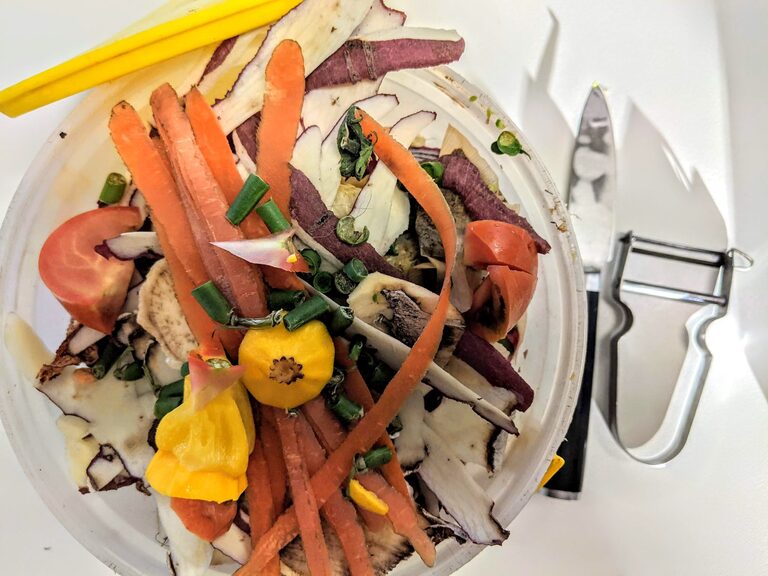
Many parts of food that are often discarded can be used in new ways. Vegetable stems, leaves, and peels may add flavor or texture to another dish.
Try these ideas:
– Use broccoli stems in stir-fries or slaws.
– Add vegetable scraps to homemade stock.
– Turn stale bread into breadcrumbs or croutons.
– Use citrus zest to flavor baked goods, sauces, or dressings.
– Blend very ripe fruit into smoothies.
– Add soft vegetables to soups, sauces, or casseroles.
– Use herb stems in stocks, marinades, or sauces.
Not every part of every food is suitable to eat, so use reliable recipes and remove anything that is tough, damaged, or unsafe. The goal is to find practical uses for ingredients, not to force yourself to eat food you do not enjoy.
Freezing is a convenient way to preserve food when your plans change. Freeze items in usable portions and label each container with its contents and date.
Foods that often freeze well include:
– Bread and baked goods.
– Cooked rice, pasta, and grains.
– Fruits for smoothies or desserts.
– Chopped vegetables.
– Soups, stews, and sauces.
– Extra portions of cooked meals.
Allow hot foods to cool appropriately before freezing, and leave room in containers for expansion. When possible, freeze food flat in bags or use stackable containers to save space.
Serving too much food can lead to unnecessary waste, especially when you are cooking for children, guests, or a household with varying appetites. Start with smaller portions and offer more if people are still hungry.
You can also serve some ingredients separately, allowing everyone to choose what they want. Store any extra food promptly rather than leaving it on the table for a long time.
When hosting a meal, plan for variety without preparing excessive amounts. A few well-chosen dishes are often more manageable than a large menu.
The most effective food waste habits are the ones you can maintain. Choose a regular day to plan meals, check the refrigerator, and prepare food for the week. Keep a note on your phone of items you often waste, such as salad greens or fresh bread. This can help you adjust future purchases.
Do not aim for perfection. Some food waste is difficult to avoid, and schedules can change. Focus on making steady improvements: buy a little less, store food more carefully, and use leftovers more often. Small actions repeated over time can make your kitchen more efficient and help every grocery trip go further.