 11
11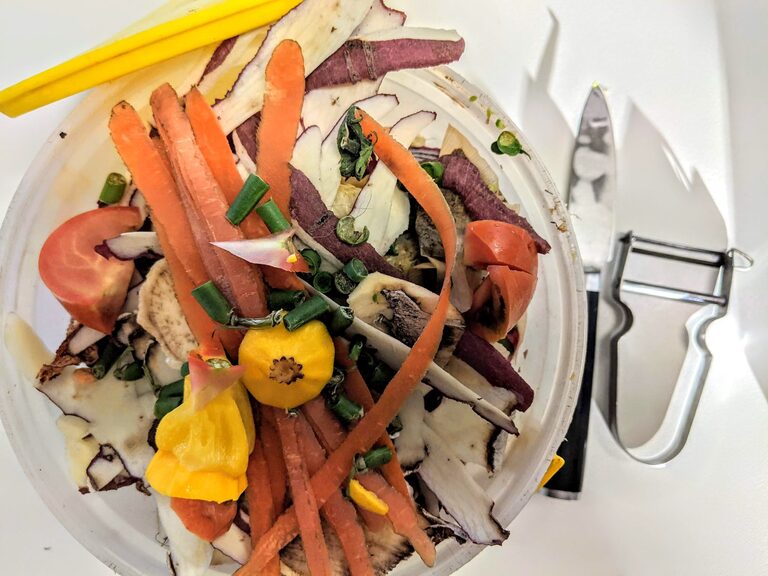
Composting is a simple way to turn everyday food scraps and yard waste into a useful soil amendment. Instead of sending certain organic materials to the landfill, you can recycle them at home and create compost for flower beds, vegetable gardens, houseplants, or lawns.
Starting a compost pile may seem complicated, but the basic process is easy to understand. With the right container, a balanced mix of materials, and a little patience, beginners can make compost in a backyard, on a balcony, or even indoors.
Composting is the natural process of breaking down organic materials into a dark, crumbly material called compost. Tiny organisms, along with insects and other small decomposers, help transform food scraps and plant waste over time.
Finished compost adds organic matter to soil. It can help soil hold moisture, improve texture, and provide a steady source of nutrients for plants.
Composting works best when four elements are present:
– Organic materials
– Moisture
– Air
– Time
A successful compost pile is not completely dry or soaking wet. It should also contain a healthy balance of fresh, moist materials and dry, carbon-rich materials.
The right composting method depends on your available space, the materials you have, and how much effort you want to invest.
A backyard bin or open pile is a popular choice for people with outdoor space. You can purchase a compost tumbler, use a stationary bin, or create a simple enclosed area with wire fencing.
Place your compost bin on bare soil when possible. This allows worms and other decomposers to reach the materials. Choose a location that is convenient, has some shade, and is not directly next to your home.
Apartment residents can use a small countertop container to collect scraps before taking them to a community compost program or outdoor bin. A tightly covered container helps prevent odors and fruit flies.
Another option is vermicomposting, which uses special composting worms to break down food scraps in a small indoor bin. This method requires more attention to moisture and food choices, but it works well in limited spaces.
A compost tumbler is a sealed container that can be turned by hand. Turning helps mix materials and introduce air. Tumblers are often convenient for beginners, although they may hold less material than a traditional outdoor pile.
A balanced compost pile needs both “green” and “brown” materials. These terms describe the type of material, not necessarily its color.
Green materials are generally fresh and rich in nitrogen. They help provide the energy needed for decomposition.
Common examples include:
– Fruit and vegetable scraps
– Coffee grounds and paper filters
– Fresh grass clippings
– Fresh leaves
– Plant trimmings
– Uncooked grains
– Crushed eggshells
Brown materials are usually dry and rich in carbon. They help create structure and improve airflow.
Good examples include:
– Dry leaves
– Small twigs
– Shredded newspaper
– Plain cardboard
– Paper bags
– Untreated wood chips
– Straw
– Dry plant stems
A simple beginner guideline is to use more brown materials than green materials by volume. If the pile smells bad or feels too wet, add more brown materials. If it is dry and barely changing, add a small amount of green material and moisture.
Some materials can attract pests, create unpleasant odors, or introduce unwanted chemicals. Avoid adding these items to a basic home compost pile:
– Meat and fish
– Bones
– Dairy products
– Grease and cooking oils
– Pet waste
– Diseased plants
– Weeds with mature seeds
– Glossy or coated paper
– Coal or charcoal ash
– Chemically treated wood
Some commercial composting systems accept materials that backyard piles do not. For example, certain community programs may process meat, dairy, or compostable packaging under controlled conditions. Check local guidelines before adding unusual items.
When starting a new bin, begin with a layer of coarse brown material, such as small branches or dry stems. This helps air move through the bottom of the pile.
Add alternating layers of brown and green materials. You do not need to create perfect layers every time, but aim for variety rather than adding a large amount of one material at once.
A practical routine looks like this:
Covering fresh food scraps with leaves, shredded cardboard, or finished compost helps reduce odors and discourages insects.
Moisture is essential because decomposers need water to work. However, a pile that is too wet may become compacted and smelly.
The ideal compost pile should feel about as damp as a wrung-out sponge. If it feels dry, sprinkle in a small amount of water while mixing the pile. If it is soggy, add dry leaves, shredded cardboard, or other brown materials.
Air is just as important. Without enough oxygen, the pile may develop a sour or rotten smell. Turn the compost with a garden fork every week or two, especially when the pile is new. If turning is difficult, use a compost tumbler or create air spaces by adding coarse materials.
Most compost problems are easy to correct once you know what they mean.
A strong unpleasant smell usually means the pile is too wet, lacks air, or contains too much green material. Add dry brown materials and mix the pile thoroughly.
Fruit flies are often attracted to exposed food scraps. Bury scraps in the center of the pile and cover them with dry leaves or shredded paper. Keep indoor collection containers covered and empty them regularly.
A pile may break down slowly during cold weather or when it is too dry. Chop large materials into smaller pieces, add moisture, mix the pile, and include a reasonable amount of fresh green material.
An enclosed bin and careful food choices can reduce unwanted visitors. Avoid adding meat, dairy, grease, or cooked foods containing these ingredients. Always cover food scraps with brown materials.
Finished compost is usually dark brown, crumbly, and earthy-smelling. Most of the original materials should no longer be recognizable, although small pieces of twigs or eggshells may remain.
Depending on the method, weather, and materials, compost can take several months or longer to mature. Do not worry if your first batch takes time. Composting is a natural process, and conditions vary.
Before using compost, remove large unfinished pieces and return them to the bin. You can mix finished compost into garden soil, spread a thin layer around plants, or add it to containers in moderation.
The easiest way to stay consistent is to keep a small container near your kitchen food preparation area. Choose a container that is easy to clean and empty it regularly.
Keep a supply of dry leaves, shredded cardboard, or newspaper near your outdoor bin. Having brown materials ready makes it easier to cover food scraps and maintain the right balance.
Start small, pay attention to moisture and odors, and adjust as you go. Composting does not require perfection. With a few basic habits, you can reduce household waste and create a valuable material for healthier soil.