
 11
11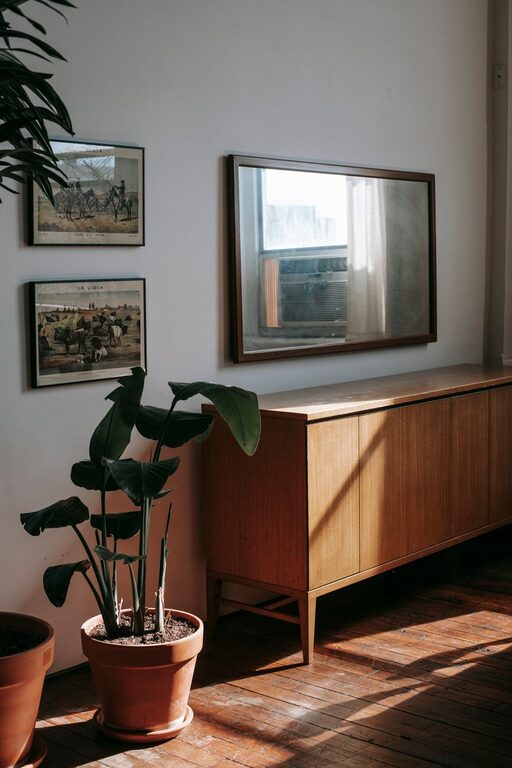
A dark room can feel smaller, colder, and less inviting, but you do not need a major renovation to make it brighter. A few thoughtful updates can reflect more light, open up the space, and create a warmer atmosphere.
Whether the room has small windows, heavy furniture, or limited natural light, these quick ideas can help you make the most of what you have.
The right lighting is often the fastest way to transform a dark room. Instead of relying on one ceiling fixture, use several light sources at different heights.
Aim for a mix of three types of lighting:
– Ambient lighting: General illumination from ceiling fixtures or large lamps
– Task lighting: Focused light for reading, working, or other activities
– Accent lighting: Decorative light that highlights artwork, shelves, or architectural details
For example, combine a ceiling light with a floor lamp near a chair and a small table lamp on a side table. This creates a balanced glow and reduces dark corners.
Choose bulbs with a warm white or soft white color for a comfortable, welcoming feel. If you want the room to appear crisp and energetic, use a neutral white bulb in work areas such as a desk or craft space.
Mirrors can make a room feel larger and help spread light across the space. Place one opposite a window to reflect daylight, or position it across from a lamp to bounce light around the room.
A large mirror can create the greatest visual impact, but several smaller mirrors can also work well. Try a simple arrangement of framed mirrors on one wall, or use mirrored furniture accents sparingly.
For the best result:
– Place mirrors where they reflect light or an attractive view
– Avoid positioning them toward cluttered areas
– Use a large mirror in narrow rooms to create a sense of depth
– Choose a frame that matches the room’s style
Mirrors are especially useful in hallways, entryways, and rooms with limited windows.
Dark paint colors can make a room feel cozy, but they may also absorb light. If your goal is to brighten the space, consider soft shades such as warm white, cream, pale gray, light beige, or gentle pastel colors.
You do not have to paint every wall bright white. A slightly warm neutral can reflect light while still making the room feel comfortable. Very bright white may look cold in a room with little natural light, especially when paired with cool-toned bulbs.
For a subtle update, paint just one feature, such as:
– The ceiling
– Interior doors
– Built-in shelves
– Window trim
– A dark accent wall
Painting the ceiling a lighter shade can make it feel higher and help light move through the room.
Window treatments have a major effect on how much natural light enters a room. Heavy curtains, dark blinds, or bulky valances can block daylight even when the window itself is reasonably large.
Replace heavy fabrics with lightweight curtains in a pale color. Sheer panels can provide privacy while allowing sunlight to pass through. Hang curtains slightly above the window frame and extend the rod beyond each side so the fabric does not cover the glass when open.
Keep the area around the window clear whenever possible. Move tall furniture, large plants, or decorative objects that block the light.
Clean windows can also make a noticeable difference. Dust and smudges reduce the amount of light that enters, so wipe the glass and frame regularly.
Glossy and reflective finishes can help distribute light. Consider adding a few surfaces that catch and bounce light without making the room feel overly shiny.
Useful options include:
– A glass coffee table
– Ceramic lamps
– Light-colored picture frames
– Metallic accents in small amounts
– Furniture with a subtle satin finish
– Glossy tile or a reflective backsplash
You can also use pale upholstery, rugs, and bedding to make the room feel more open. Soft cream, light gray, sand, and muted blue are versatile choices that add color without making the space feel heavy.
A crowded room often looks darker because furniture and objects interrupt the flow of light. Removing a few unnecessary items can make the room feel brighter immediately.
Start by clearing surfaces such as tables, shelves, and window ledges. Then look at the largest pieces of furniture. If a bookcase, cabinet, or sofa blocks a light source, consider moving it to another wall.
Keep frequently used items organized with:
– Baskets
– Boxes
– Drawer organizers
– Floating shelves
– Storage ottomans
Open floor space helps light travel through the room. Even small changes, such as moving a chair away from a corner or replacing a bulky side table, can improve the overall feel.
Heavy, solid furniture can make a dim room feel closed in. Furniture with exposed legs, glass details, or open shelving creates more visual space and allows light to move underneath and around each piece.
Consider replacing or updating one bulky item rather than changing everything. For example, swap a solid side table for one with slim legs, or choose a console with open space beneath it.
When arranging furniture, avoid placing every piece directly against a wall. A small amount of breathing room can make the layout feel more intentional and open.
A rug can anchor a room while adding softness and brightness. Choose a pale or medium-light rug with a simple pattern to reflect light and prevent the floor from feeling too dark.
If you already have dark flooring, a light rug can create contrast and make the furniture stand out. Patterns can be helpful because they hide everyday marks better than a solid white rug.
For small rooms, select a rug that fits beneath at least the front legs of the main furniture. This creates a connected layout rather than making the pieces look scattered.
Plants can make a dark room feel more lively, but the wrong plant placement can block windows and make the space feel crowded. Choose plants that suit the room’s available light, and place them where they will not interfere with windows or lamps.
A tall, narrow plant can fill an empty corner without taking up much floor space. Smaller plants can sit on shelves or tables, adding color without overwhelming the room.
If the room receives very little natural light, decorative branches, dried arrangements, or high-quality artificial plants can provide a similar visual lift with minimal upkeep.
Artwork is an easy way to introduce lighter colors and create a focal point. Look for prints or paintings that include open backgrounds, soft colors, or touches of yellow, blue, green, or cream.
A large piece can brighten a blank wall more effectively than several very small items. If you prefer a gallery wall, use light frames and leave enough space between pieces so the display does not look too dense.
You can also frame bright fabric, botanical prints, or simple black-and-white photography for an affordable update.
You do not need to complete every idea at once. Begin with the changes that offer the greatest impact:
After each change, spend a little time in the room at different times of day. Notice where shadows collect and whether the space feels more comfortable.
A brighter room is usually the result of several small choices working together. By improving the lighting, reducing visual weight, and using reflective and light-colored elements, you can create a space that feels more open, cheerful, and welcoming.